

Handmade Soap vs. Commercial Options
Choosing the right soap for your skin can be a surprisingly important decision. While commercial soaps dominate the market, many people are turning to alternatives that offer more natural and skin-friendly benefits. One such alternative is handmade soap. This article explores why handmade soap is better than commercial soap, highlighting its unique qualities, ingredients, and benefits.
Why Handmade Soap Is Better Than Commercial Soap
Commercial soaps are often mass-produced with synthetic ingredients, detergents, and harsh chemicals that can strip your skin of its natural oils. In contrast, handmade soap is crafted in small batches using natural oils, butters, and essential oils. This results in a product that is gentler and more nourishing for your skin.
Key reasons why handmade soap is better:
Natural Ingredients: Handmade soaps use plant-based oils like olive, coconut, and shea butter, which moisturize and protect the skin.
No Harsh Chemicals: Unlike commercial soaps, handmade soaps avoid synthetic detergents and preservatives that can irritate sensitive skin.
Retains Glycerine: Glycerine, a natural product of soap-making, is often removed from commercial soaps but retained in handmade soaps, helping to keep skin hydrated.
Customizable: Artisans can tailor handmade soaps with specific ingredients to target skin concerns such as dryness, acne, or eczema.
Eco-Friendly: Handmade soaps typically use biodegradable ingredients and minimal packaging, reducing environmental impact.
These benefits make handmade soap a healthier and more sustainable choice for daily cleansing.

How Handmade Soap Supports Skin Health
The skin is the body’s largest organ and requires gentle care to maintain its protective barrier. Commercial soaps often contain sulphates and synthetic fragrances that can disrupt this barrier, leading to dryness, irritation, and sensitivity.
Handmade soap, on the other hand, supports skin health by:
Maintaining Moisture: The natural oils in handmade soap replenish the skin’s lipids, preventing dryness.
Balancing pH: Handmade soaps are usually closer to the skin’s natural pH, reducing the risk of irritation.
Providing Antioxidants: Ingredients like olive oil and essential oils contain antioxidants that protect skin cells from damage.
Soothing Sensitive Skin: Calendula, chamomile, and oatmeal are common additives in handmade soap that calm inflammation and redness.
For example, if you have dry or sensitive skin, choosing a handmade soap with shea butter and oatmeal can provide gentle exfoliation and deep hydration without causing irritation.
What Ingredients Do You Need to Make Hand Soap?
Making your own soap at home can be a rewarding experience, allowing you to control exactly what goes into your product. Here are the basic ingredients needed to make handmade soap:
Oils and Butters: Olive oil, coconut oil, shea butter, and cocoa butter are popular choices. Each contributes different properties such as moisturizing, lathering, or hardness.
Lye (Sodium Hydroxide): Essential for the saponification process, which turns oils into soap. Handle with care and follow safety guidelines.
Water: Used to dissolve the lye before mixing with oils.
Essential Oils or Fragrance Oils: For scent. Lavender, peppermint, and eucalyptus are common natural options.
Additives: Herbs, clays, oatmeal, or activated charcoal can be added for texture, colour, or skin benefits.
Basic soap-making steps:
Dissolve lye in water and let cool.
Heat oils and butters until melted.
Slowly mix lye solution into oils while stirring.
Add essential oils and additives.
Pour into molds and let cure for 4-6 weeks.
This process creates a natural, skin-friendly soap that you can customize to your preferences.

Environmental Impact: Why Handmade Soap Is a Greener Choice
The environmental footprint of commercial soap production is significant. Large factories consume vast amounts of energy and water, and the use of synthetic chemicals can pollute waterways. Additionally, commercial soaps often come in plastic packaging that contributes to landfill waste.
Handmade soap offers a more eco-conscious alternative:
Sustainable Ingredients: Many handmade soap makers source organic and sustainably harvested oils.
Minimal Packaging: Handmade soaps are often wrapped in recyclable paper or sold without packaging.
Biodegradable: Natural ingredients break down easily in the environment, reducing pollution.
Small Batch Production: Limits waste and energy consumption compared to mass production.
By choosing handmade soap, you support environmentally responsible practices and reduce your personal impact on the planet.
How to Choose the Right Handmade Soap for Your Skin
With so many options available, selecting the perfect handmade soap can feel overwhelming. Here are some tips to help you make an informed choice:
Identify Your Skin Type: Dry, oily, sensitive, or combination skin will benefit from different ingredients.
Check the Ingredients: Look for natural oils and avoid synthetic fragrances or dyes if you have sensitive skin.
Consider Additives: Ingredients like oatmeal soothe irritation, while activated charcoal detoxifies oily skin.
Test Small Batches: Try sample sizes before committing to a full bar.
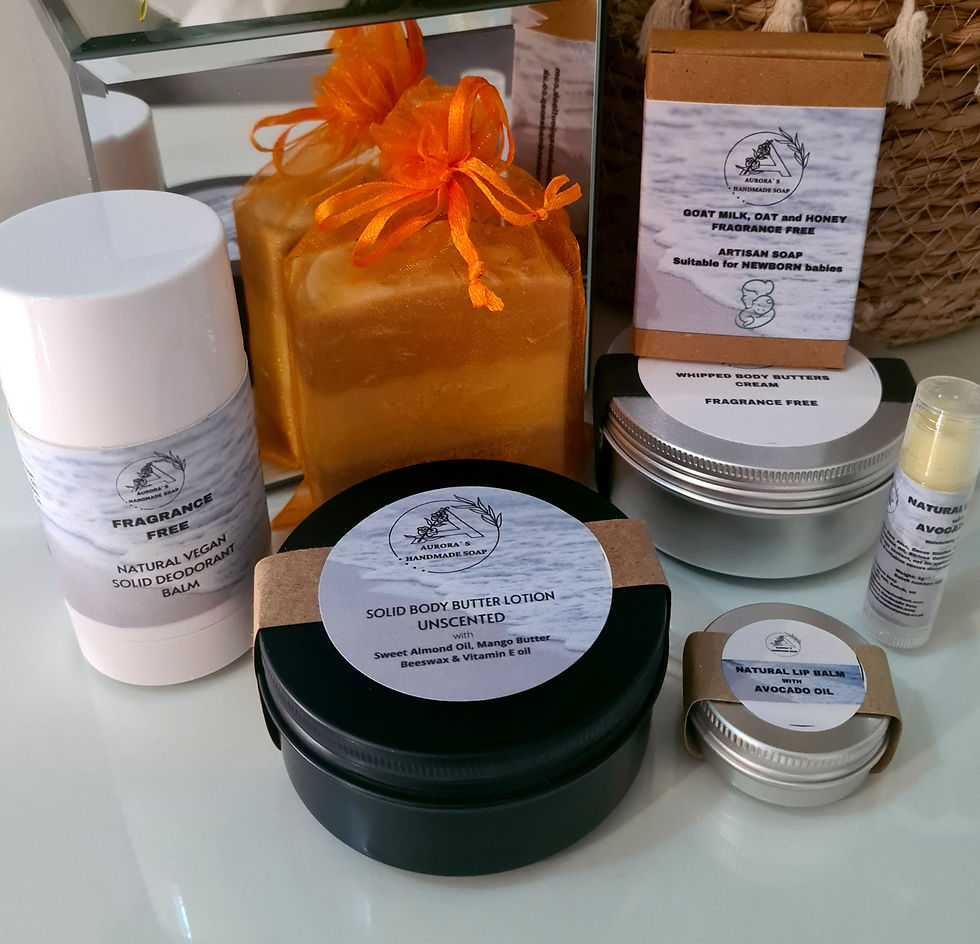
Support Local Artisans: Buying from local soap makers ensures freshness and supports small businesses. For those who love variety and enjoy exploring new scents, Aurora`s Handmade Soap offer all in one mystery bag called Bits and Bobs. Each bag contains a variety of soap ends, incorrect cuts, or small shapes crafted from leftover soap batches.
By paying attention to these factors, you can find a handmade soap that enhances your skin’s health and feels luxurious to use.
Choosing handmade soap over commercial options is a decision that benefits your skin, the environment, and your overall well-being. With natural ingredients, gentle care, and eco-friendly production, handmade soap offers a superior cleansing experience that commercial soaps simply cannot match. Whether you buy from artisans or make your own, embracing handmade soap is a step toward healthier skin and a greener planet.

Comments